Insight
Perspectives
Partner Integrations Are Where Platform Revenue Leaks
Most B2B platforms obsess over signed partners. They should be measuring what those partners actually convert. Where the gap lives and how to close it.

Kamil Gottwald
7 min read

Signing a partner isn't where revenue appears in the P&L. Signing creates a dependency: the platform now depends on a third party to present the product to real users, in a context it doesn't fully control, through a UX layer it probably won't examine for months. How well the partner integrates the product, how clearly they present it, the friction they add or remove in the purchase moment: that's what determines whether the deal actually converts.
Most platforms aren't measuring what actually converts. They measure the deal: signed agreement, new logo, partner onboarded. The conversion that matters happens downstream, in the partner's UI, on the partner's terms. That's the gap. And most platforms don't even know it's there.
Two conversion events
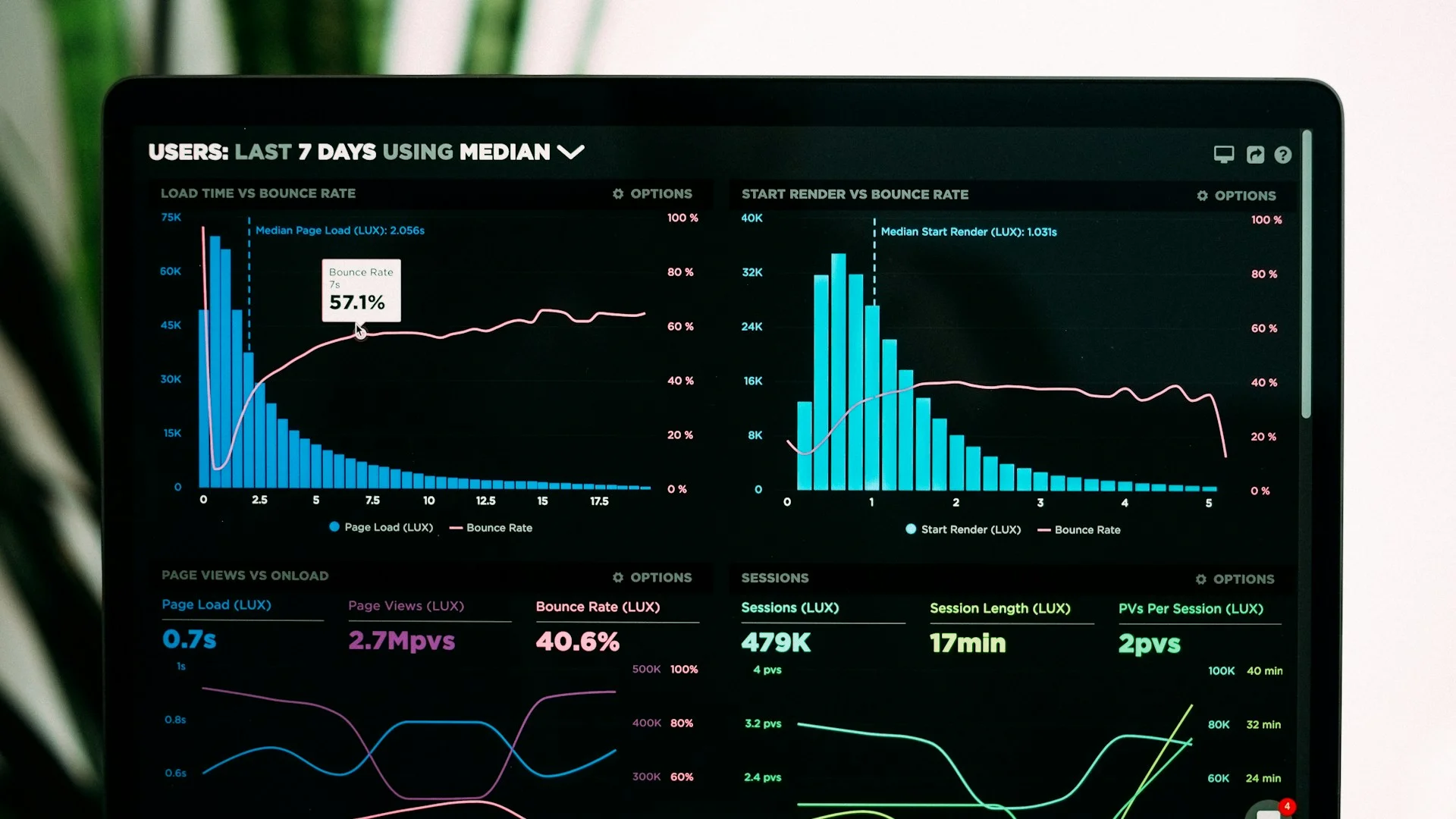
Any B2B platform that distributes through partners has two conversion events, not one. The first happens in a contract signature and a deal update. The second happens (or doesn't) inside a partner's app, on their landing page, in a moment the platform can't fully see.
The first gets measured obsessively: pipeline, deal velocity, signed agreements, new logos. The second gets measured by whoever at the partner's end thought to check, and only if they know what to look for.
The Channel Company found that 80% of all channel revenue comes from just 20% of partners, and roughly 80% of new partners generate zero revenue in their first cycle. A platform might have 50 signed partners and half of them producing minimal volume. When that happens, the first instinct is to ask if the product is broken. Usually it isn't. The integration is the problem. The partner built a landing page with four paragraphs of text and a link, burying the offer at the bottom. Or they embedded the product inside an app flow that requires 12 form fields on mobile before a user has any sense of what they're buying. The platform loses the volume and quietly blames the audience. Then it moves on to signing the next partner instead of understanding why the one they have isn't converting.
Two kinds of integration
Not all partner integrations are equal. Some convert reliably. Most don't. The difference isn't the product. It's where and how the product gets presented.
A lightweight integration is a landing page, a co-branded screen, a banner inside an existing app. Low development cost, quick to deploy, and usually low conversion. The product is available but not positioned. Users arrive, see it, don't understand what it does or why they'd want it. No guidance through the decision. No comparison. No clear moment where this becomes the right choice.
A deep integration is the product embedded inside the partner's native flow: inside a booking confirmation, inside an account dashboard, at the exact moment when a user is deciding about something related. The offer appears in context. The user has already committed to the moment. Conversion is materially higher. Not because the product got better. Because the moment changed.
For embedded insurance products, placing the offer at the point of sale increases purchase intent by 25% or more. That number doesn't come from a product change. It comes entirely from placement and context.
Most partners build the lightweight version first. They have time, resources, and a product to integrate. What they don't have is a reference point for what deeper integration actually looks like, or why it matters.

The compounding problem
With five or ten partners, underperformance is a partner problem. With 50 or 100, the pattern stops being about individual partnerships and starts being about the entire distribution layer.
I've watched this across two client situations that clarified something I keep coming back to. One was a telecom API platform distributing connectivity products through partner landing pages and embedded UX flows. The other was a global insurance provider with integrations across multiple markets. Different verticals, different geographies, same underlying issue.
The volume gap wasn't at the partnership layer. It was distributed. Each of 30, 40, 50 integrations was leaking conversion. Not dramatically. Just enough. A landing page that buries the offer in paragraph four instead of leading with it. A form that asks for information before the user knows why. A checkout flow that works fine for the partner's primary product but slows everything down for embedded offers.
The math makes sense once you see it: a telecom platform with 45 active integrations, each losing 8 to 12% of potential volume to friction, isn't solving that with one better onboarding. It solves it by improving each integration by a percentage or two. That adds up. If 80% of your channel revenue is leaking through design choices, you don't need more partners. You need to stop the leak.
But most platforms frame this as a partner success issue, a training problem, or product adoption. Which is why it stays unsolved.
What fixing it actually looks like
Three things need to happen, usually in this order.
Diagnosis. You can't improve what you're not measuring at the integration level. Most platforms know conversion at the partnership level (partner A converts X%, partner B converts Y%) but not at the integration point. Where exactly does the user drop off? Which step? What does the friction actually look like? For a checkout, is it the form density, the trust signals, the payment method, the copy? Once you know, the fix often isn't a product change. It's a design change: field ordering, copy emphasis, timing.
The bottleneck is that this requires looking at dozens of integrations individually. A platform with 40 partners can't do 40 custom audits. So most platforms don't do any. A systematic approach that scales across many integrations quickly is what breaks that logjam. Apply the same diagnostic lens to 30 integrations in parallel. Categorize the problems. Look for patterns.
Standards. Partner underperformance is mostly predictable. Too much explanation before a clear value proposition. Too many fields before commitment. Upsell offers placed after the decision rather than during it. These patterns fail consistently. A library of proven integration templates, with specific guidance on when to use each one, gives partners a starting point rather than a blank canvas. The difference between a partner who builds something that converts and one who doesn't often comes down to whether they had a reference point.
Pre-sales. This one is subtler and most sales teams miss it. When you're selling to a partner, showing them their potential integration matters more than most leaders expect. A static mockup forces the prospect to imagine what it would look like in their product. A working prototype built around their specific use case closes that immediately. Partners who see a credible, tailored demo arrive at implementation with clarity. That clarity carries through to execution quality.
How these connect: good diagnostic data sharpens what your standards should include. Good standards templates let pre-sales move faster and with fewer false starts. Better pre-sales brings in partners who understand what they're building before day one of onboarding.
If this pattern is showing up in your partner metrics, the platform is probably doing the same thing most platforms do: focusing on who to sign next instead of why the partners you have aren't converting. The volume is already there. It's worth looking at the integrations you've built before you chase the next partnership.
Related: What performance design actually means · The OnlinePajak activation project: where the methodology got tested
Next Up

Perspectives•8 min read
Your Org Chart Is Filtering Out the People You Need Most
Multidisciplinary talent breaks hiring systems built for specialists. In the AI era, that structural blind spot is a competitive liability most organisations still haven't addressed.
Mar 30, 2026
Perspectives•7 min read
What Is Performance Design (And Why It's Not UX)
Performance design isn't UX with better metrics. It's a different discipline. What it is, how AI changes it, and what shifts when you start doing it.
Mar 27, 2026
Most platforms already have the traffic. The problem is what happens to it.
Let's Talk
Where are your users getting stuck?
First call is always diagnostic. You describe where the numbers feel wrong — most of the time, we can identify the cause before we’ve seen the product.
Not a pitch. A look at the problem together.